Texas Wildbuds
Melampodium cinereum
(Hoary Blackfoot)
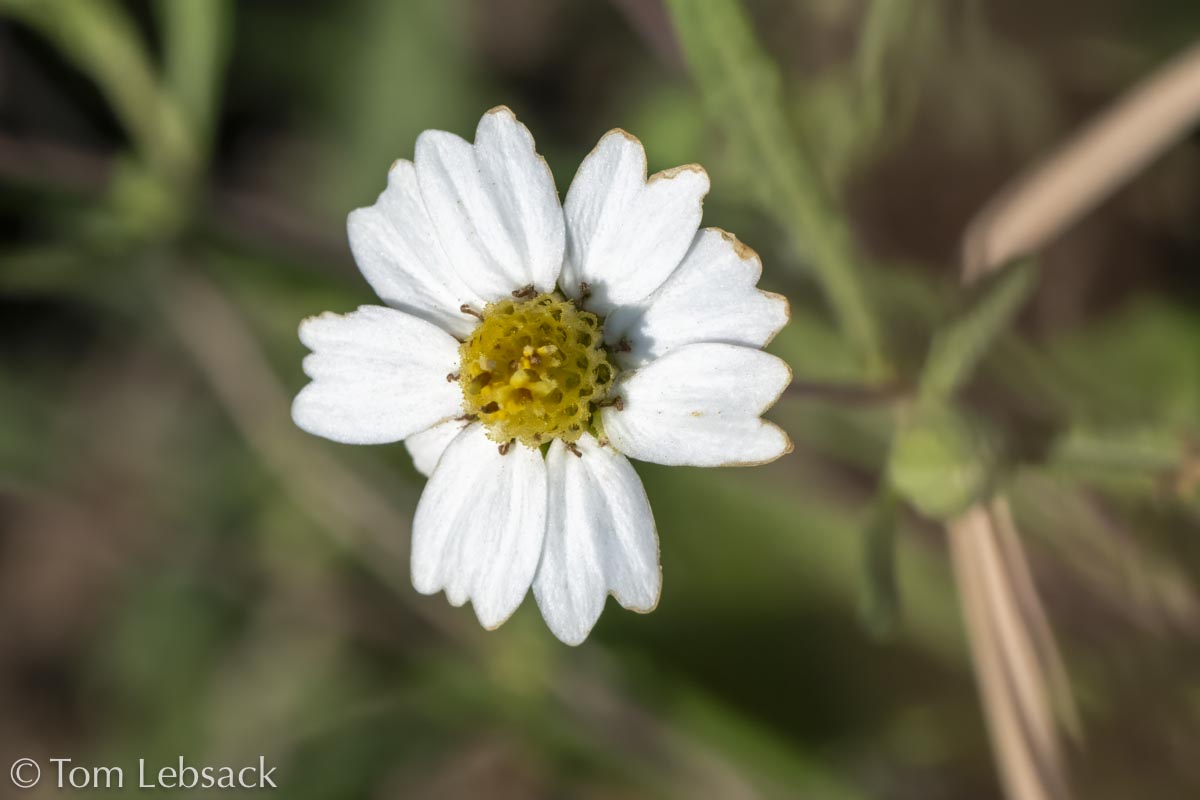
Melampodium cinereum, Falcon State Park, Starr Co. 4034
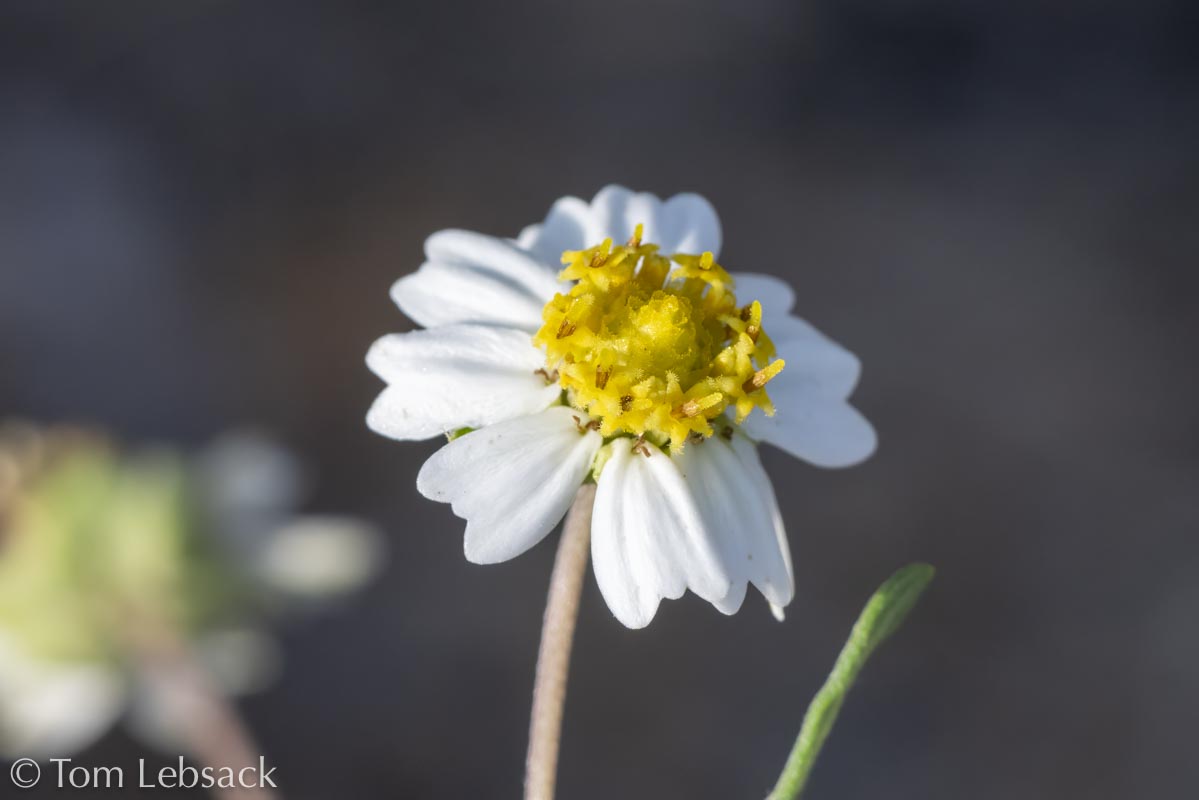
Melampodium cinereum, Falcon State Park, Starr Co. 4046
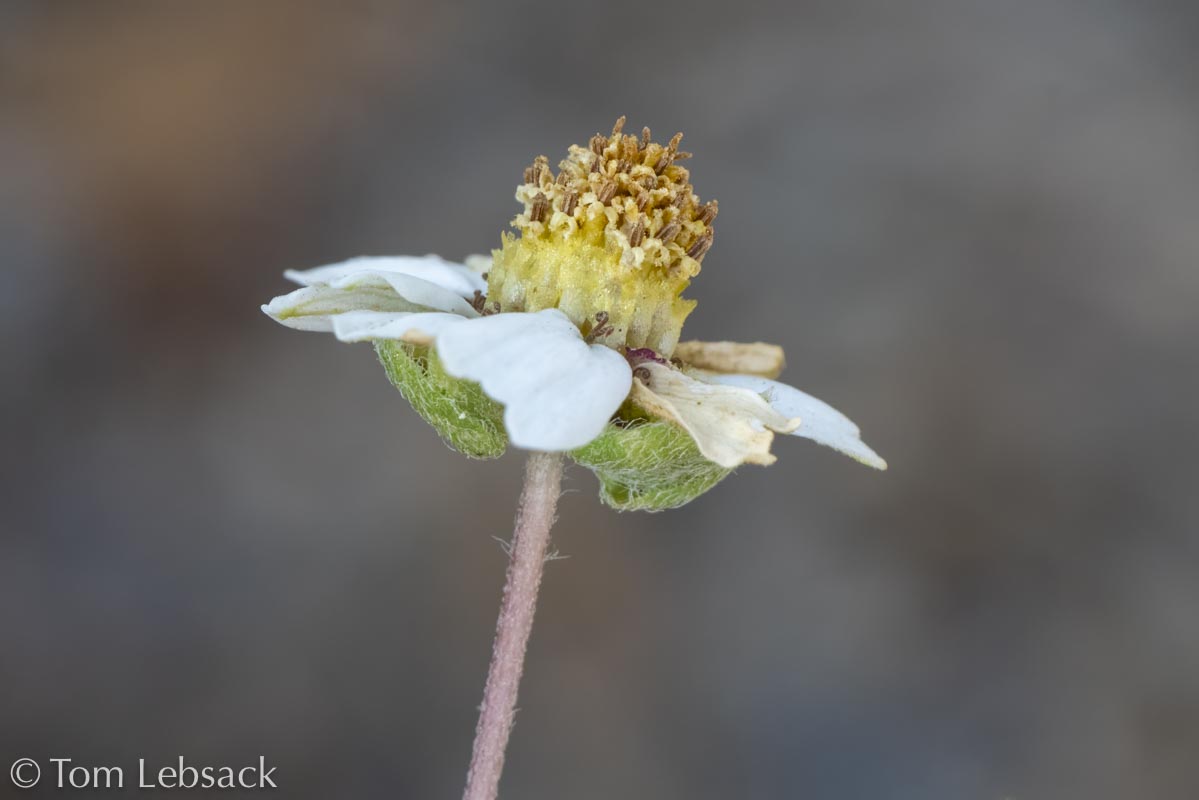
Melampodium cinereum, Falcon State Park, Starr Co. 4042
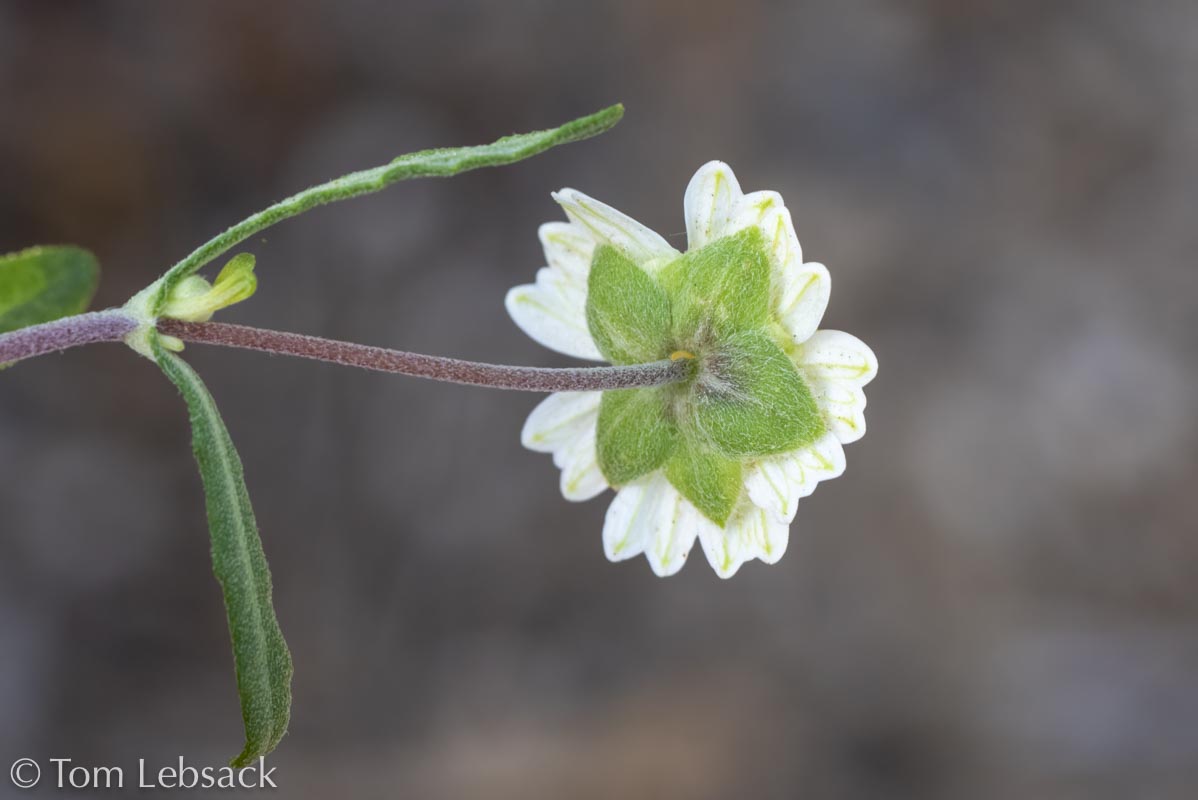
Melampodium cinereum, Falcon State Park, Starr Co. 4048
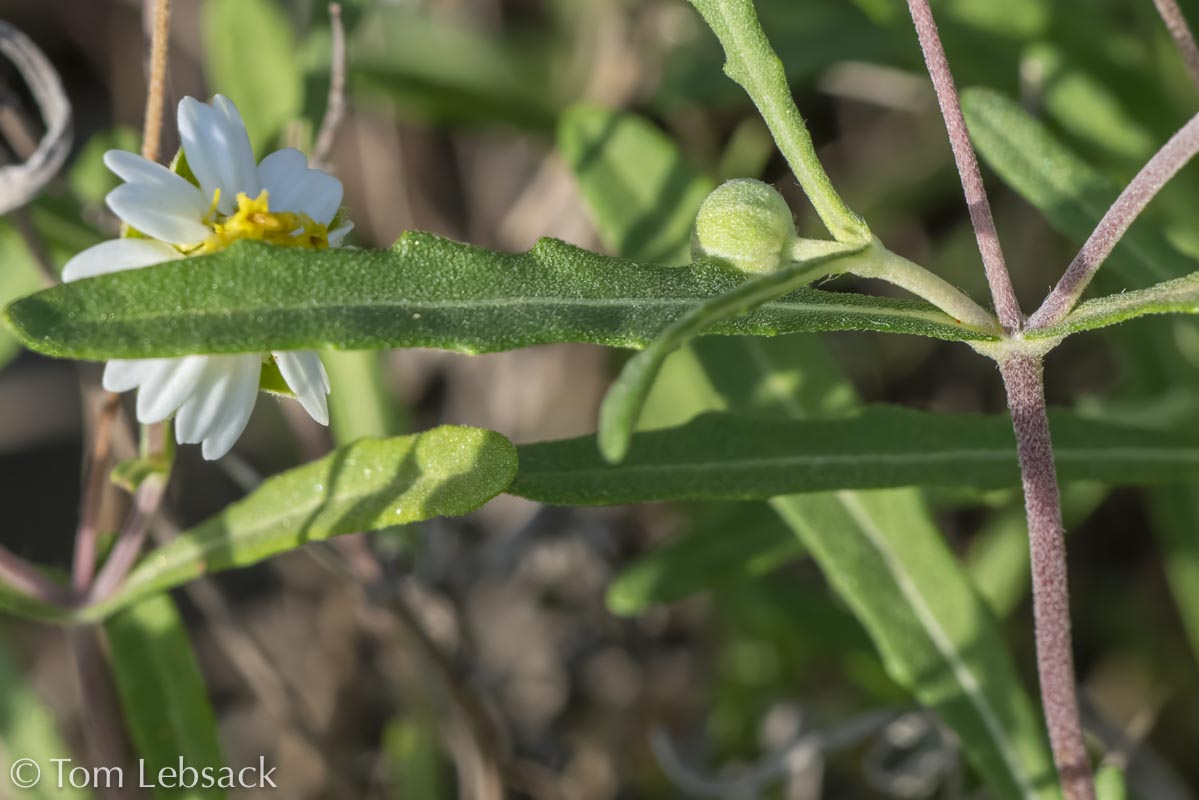
Melampodium cinereum, Falcon State Park, Starr Co. 4037

Melampodium cinereum, Falcon State Park, Starr Co. 6143
| Scientific Name | Melampodium cinereum | USDA PLANTS Symbol | MECI |
| Common Name | Hoary Blackfoot, Rockdaisy | ITIS Taxonomic Serial No. | 38083 |
| Family | Asteraceae (Sunflower) | SEINet Reference |
Click Here |
| Description | Habitat: Open sites, sand, gravel, loam, or clay soils in scrublands, fields and roadsides; generally along the Rio Grande northwest to Valverde Co. and north as far as Bexar Co. Plant: Low, bushy perennial with branching stems, up to 10 inches tall. Leaves: Rough/hairy, oblong to linear, 0.3 to 2.2 inches long and 0.6 inches wide; margins are entire or with some lobes. Inflorescence: Composite flower head 3/4 to 1-inch across with 7 to 13 white rays notched at tips, green veins beneath; 25 to 50 yellow disk florets; 5 hairy outer phyllaries that are joined together for no more than 1/3 their length. Bloom Period: January to November. References: "Manual of the Vascular Plants of Texas" by Correll and Johnston, "Wildflowers of Texas" by Michael Eason and Flora of North America. |
BONAP Distribution Map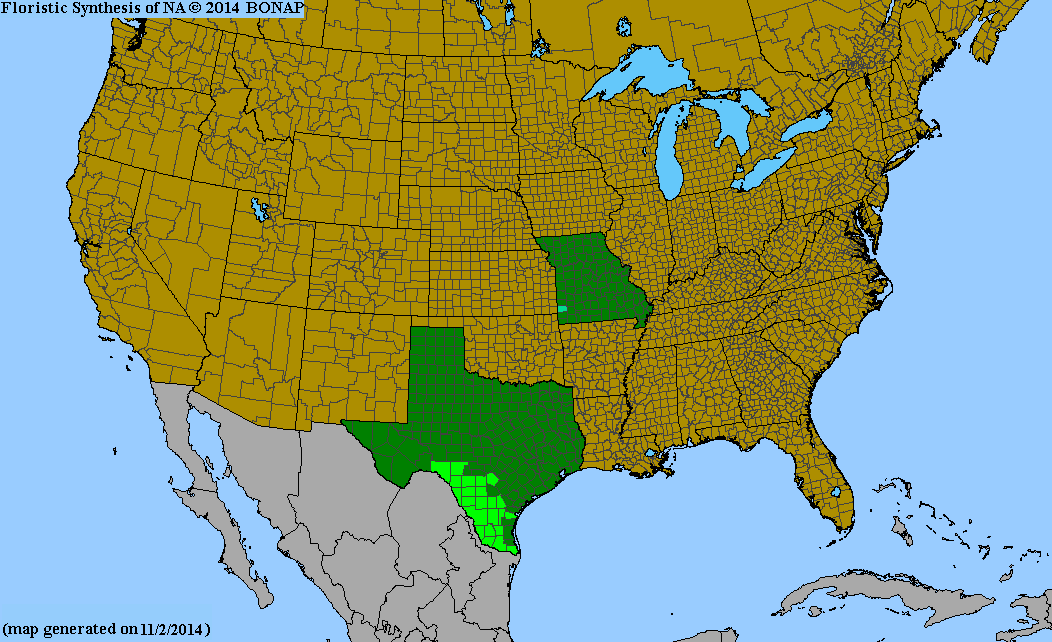 Map Color Key Map Color Key |
Texas Status: Native |
Banner photo of Castilleja indivisa and Lupinus ssp. taken along FM 1323 north of Johnson City, Blanco County
© Tom Lebsack 2026
Every attempt is made to provide accurate, up-to-date, and relevant information, but the completeness or accuracy of any information presented on this website cannot be guaranteed. I use authoritative references to insure high standards of accuracy and review and update the information frequently. Please contact me if you find errors.