Texas Wildbuds
Mimosa borealis
(Fragrant Mimosa)
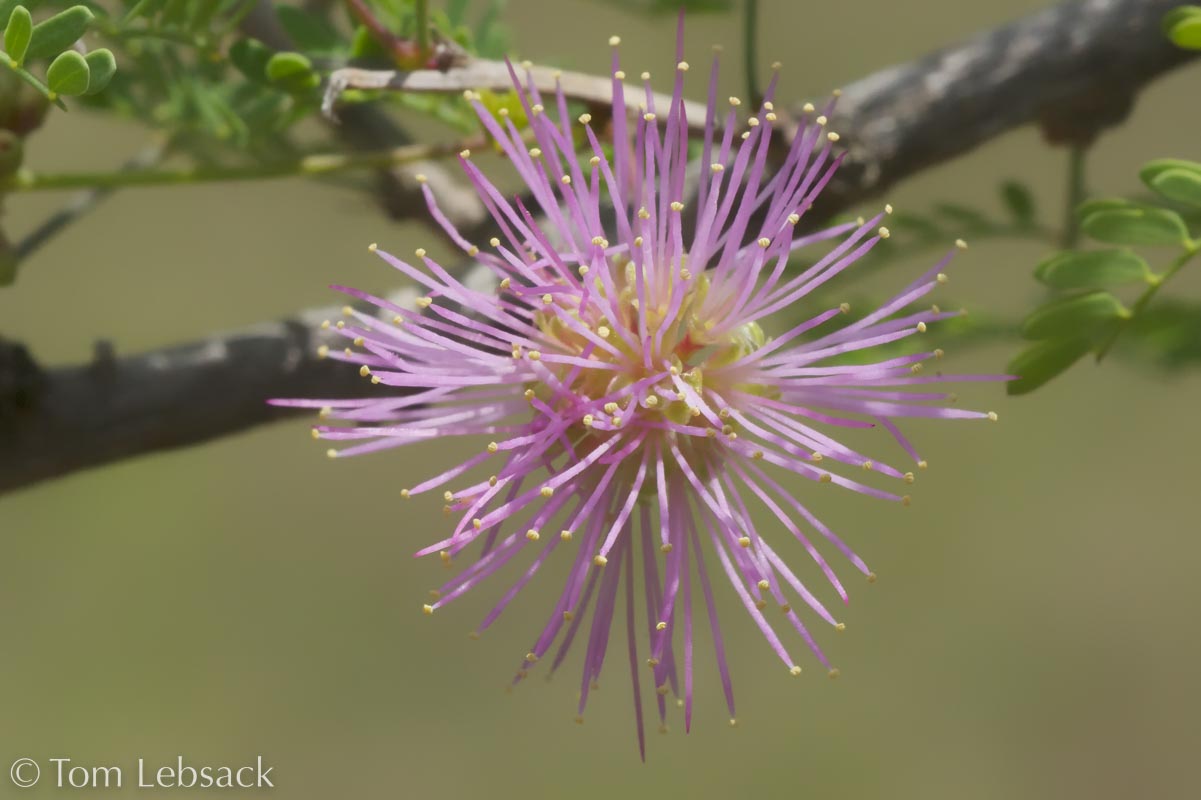
Mimosa borealis, Pace Bend Park, Travis Co. 7535
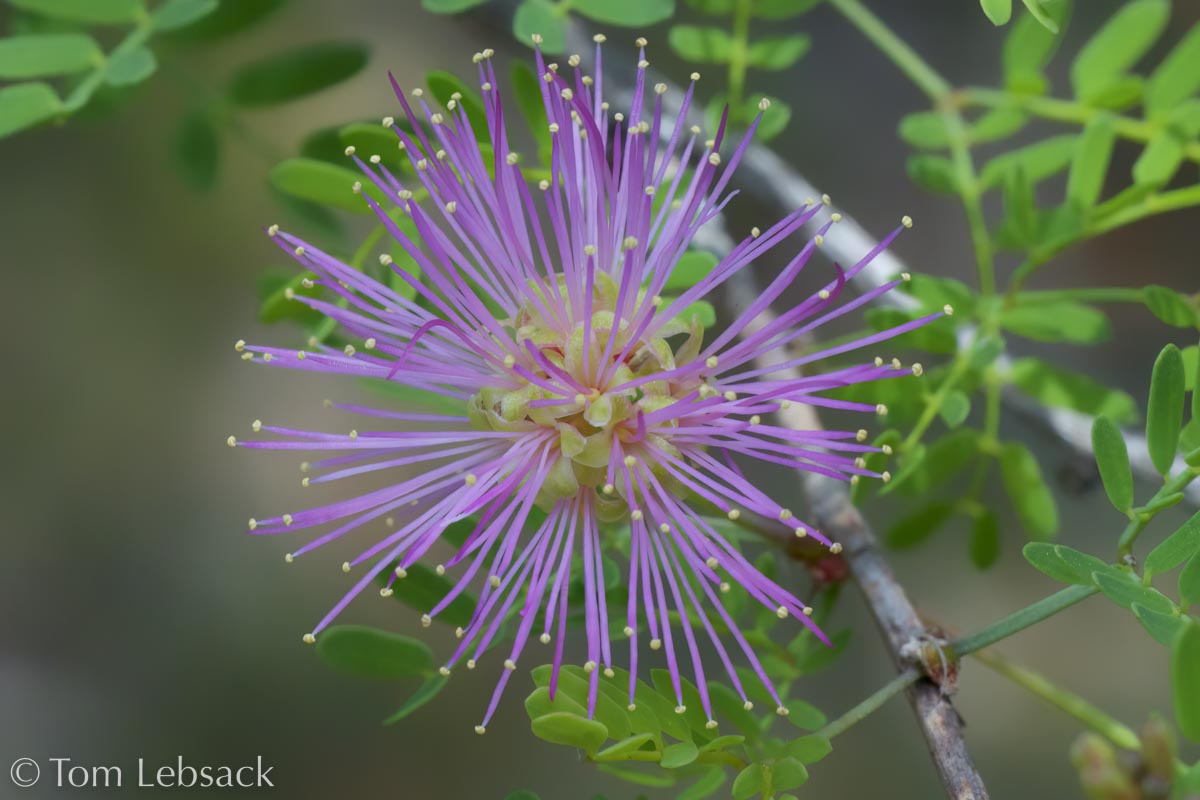
Mimosa borealis, Pace Bend Park, Travis Co. 7527
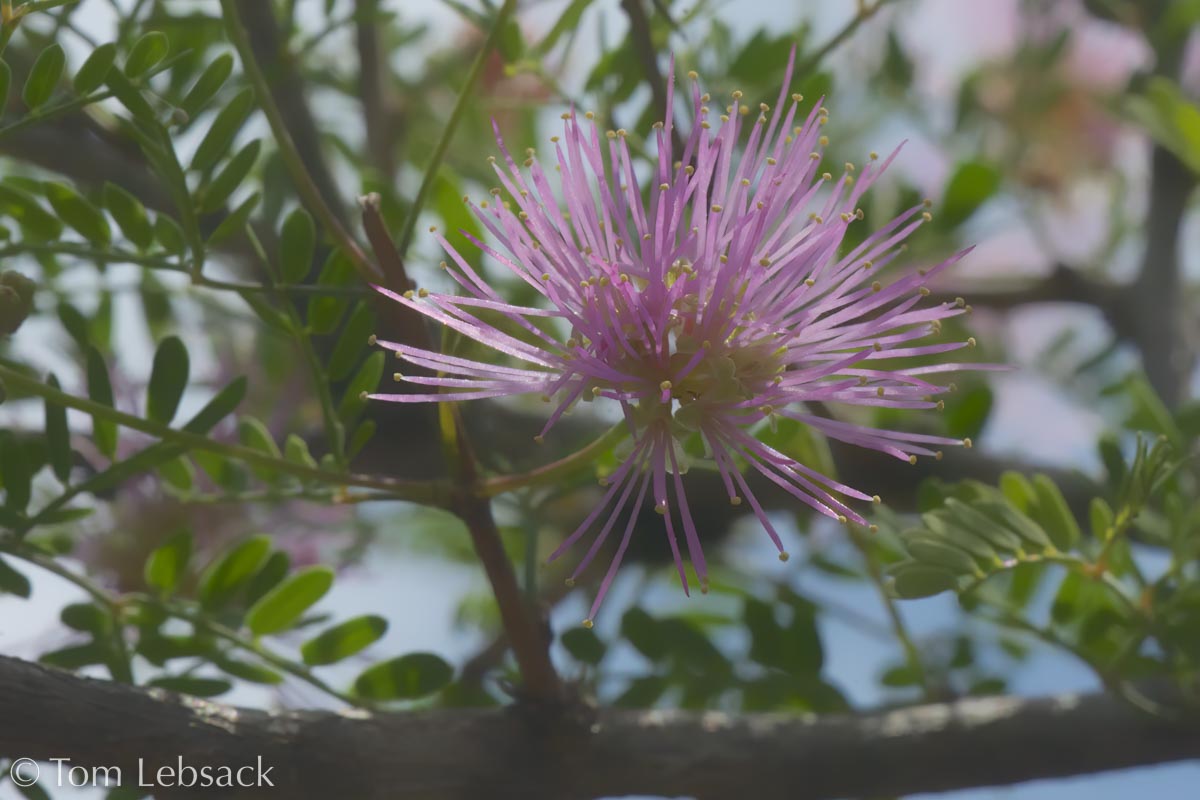
Mimosa borealis, Pace Bend Park, Travis Co. 7530
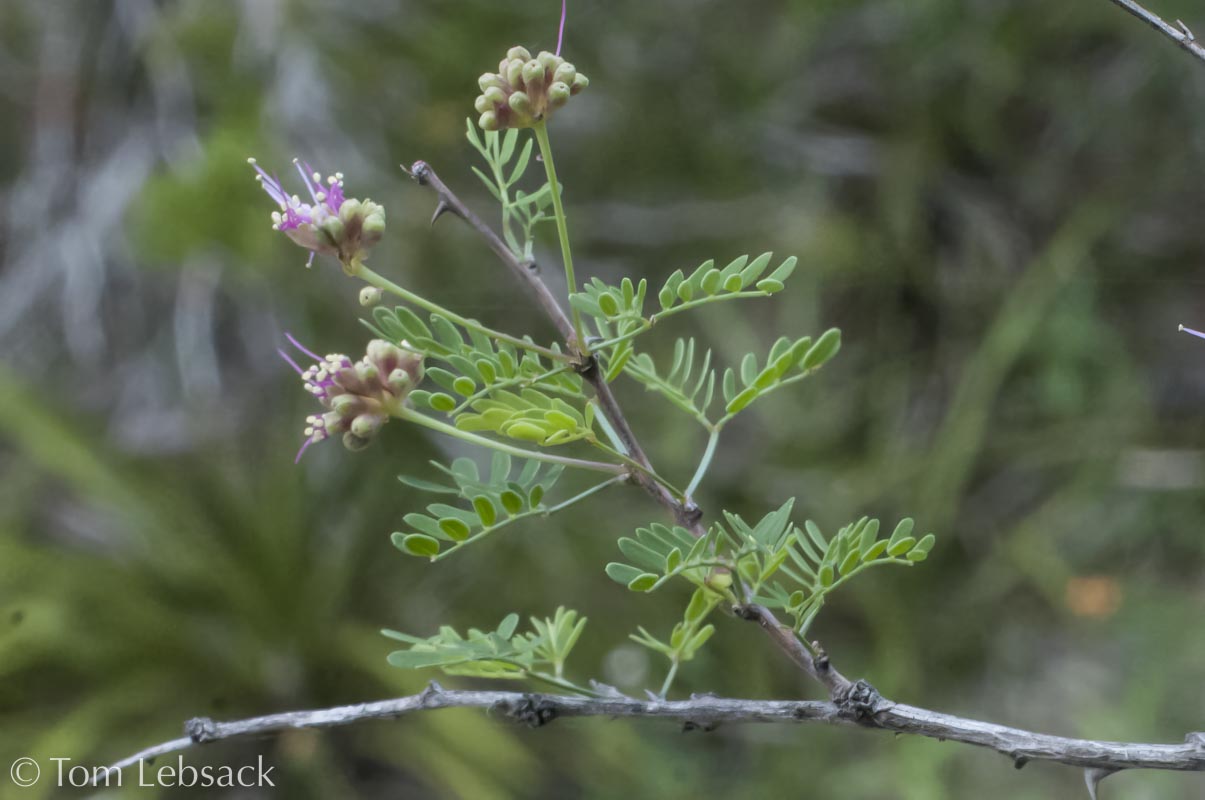
Mimosa borealis, Pace Bend Park, Travis Co. 7565
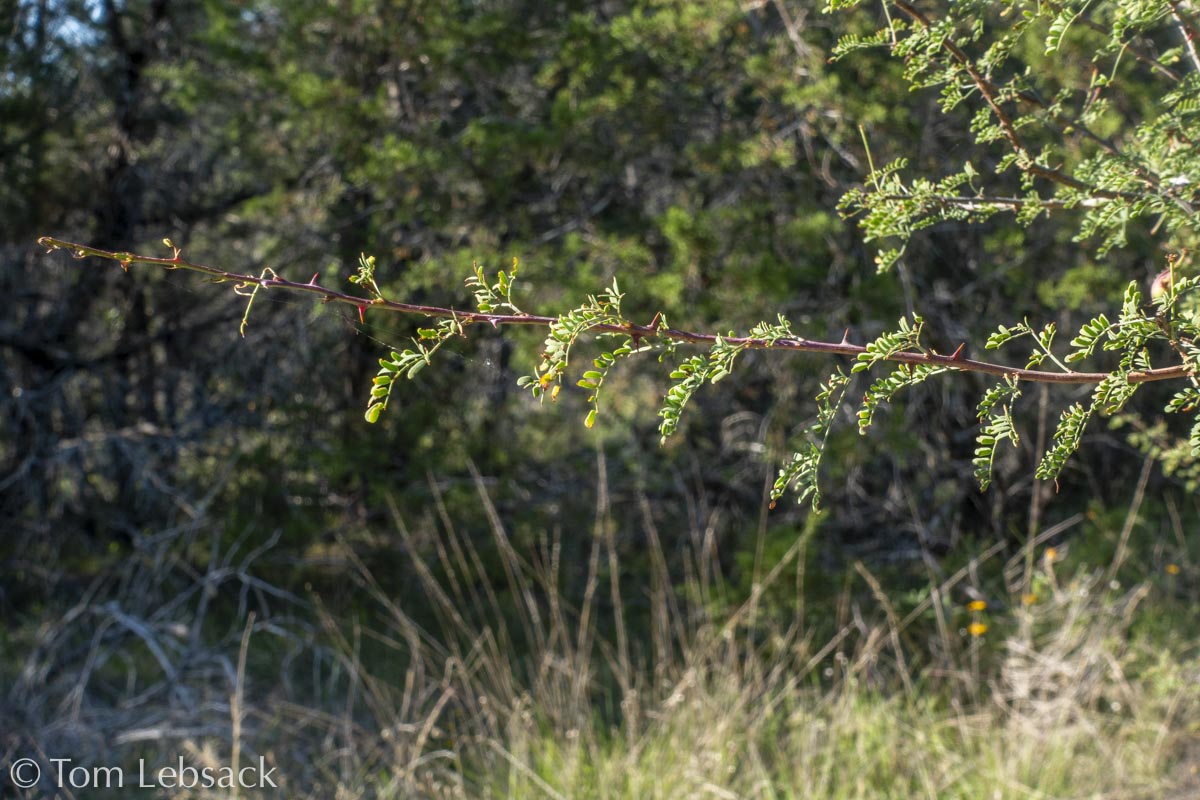
Mimosa borealis, Pace Bend Park, Travis Co. 08956

Mimosa borealis, Pace Bend Park, Travis Co. 08955
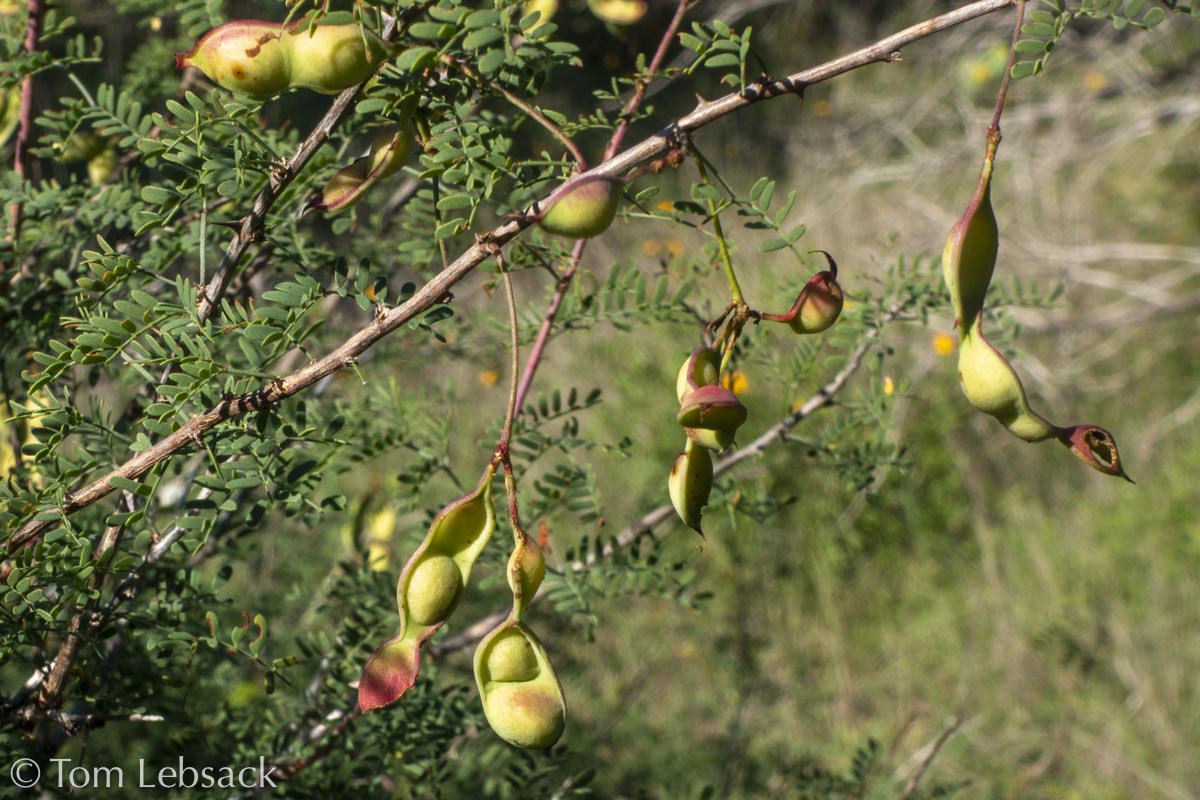
Mimosa borealis, Pace Bend Park, Travis Co. 08960
| Scientific Name | Mimosa borealis | USDA PLANTS Symbol | MIBO2 |
| Common Name | Fragrant Mimosa, Pink Mimosa | ITIS Taxonomic Serial No. | 26783 |
| Family | Fabaceae (Pea) | Texas A&M Reference | Click Here |
| Description | Habitat: Dry soils in brushy areas, flats and hillsides. Plant: Rounded, much-branched shrub 2 to 4 feet tall, rarely taller; slightly zig-zagging stems, bark usually light gray or straw-colored, with straight or slightly recurved, randomly-arranged, prickles. Leaves: Bi-pinnately compound with 1 to 3 pairs of primary leaflets (pinnae) and 3 to 7 pairs of secondary leaflets that are oblong to ovate, each about 1/8 to 1/4-inch long. Inflorescence: Dense pink, ball-shaped inflorescence about 1/2-inch in diameter with many very small individual flowers each with 5 petals that are separate to the base or nearly so; 8 to 11 protruding stamens with dark pink filaments, aging lighter, and yellow to pinkish anthers. Bloom Period: March to May. Fruit: Clusters of 1 to 5 pods, 1 to 2-3/8 inches long with 1 to 4 or 5 seeds; becoming brown when ripe; base of the pod tends to narrow significantly, forming a short stalk. References: Vascular Plants of Williamson County, "Distinguishing M. borealis from M. texana by Bob Harms, "Manual of the Vascular Plants of Texas" by Correll and Johnston, Backyard Nature and iNaturalist. |
BONAP Distribution Map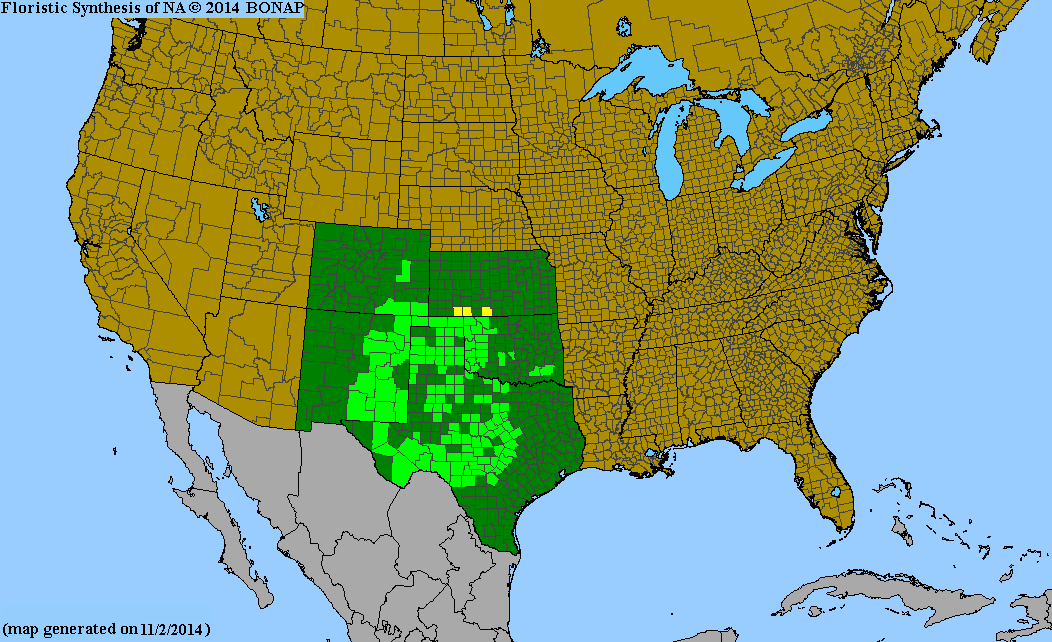 Map Color Key Map Color Key |
Texas Status: Native |
Banner photo of Castilleja indivisa and Lupinus ssp. taken along FM 1323 north of Johnson City, Blanco County
© Tom Lebsack 2026
Every attempt is made to provide accurate, up-to-date, and relevant information, but the completeness or accuracy of any information presented on this website cannot be guaranteed. I use authoritative references to insure high standards of accuracy and review and update the information frequently. Please contact me if you find errors.